

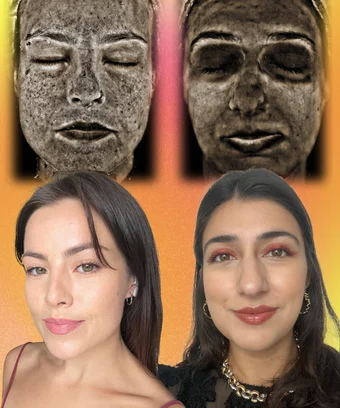
Welcome to Sun Blocked, a call to awareness that shines a light on the hidden—and often underestimated—realities of sun exposure. This isn’t a lecture. There’s no scolding here. Instead, it’s a much-needed reminder, grounded in facts, about the simple but vital importance of protecting your skin. Because despite the comforting glow and carefree vibes it brings, there really is no such thing as a “safe” tan.
The Wake-Up Call
When the idea of a sun damage skin scan was floated around the Refinery29 office, enthusiasm was… lacking. Understandably so. Who wants to confront the damage quietly accumulating over years of summer holidays, beach lounging, or simply walking to work under clouded skies? But with access to leading dermatologists and the latest tech, curiosity eventually won out over apprehension.
The truth? Sun damage isn’t just about visible burns or golden tans. It runs deeper, sometimes lurking unseen for years. UVA rays—those stealthy culprits behind premature aging and skin cancer—are present year-round, not just when you’re on a beach. They travel through clouds and windows, and they don’t take breaks. UVB rays, responsible for sunburns, are equally harmful. And if that’s not enough, visible light and infrared radiation also contribute to long-term skin damage.
The Power of Prevention
Enter: SPF. A broad-spectrum, high-factor sunscreen is one of the most effective ways to defend your skin. The good news? You don’t need to splurge to protect yourself. But even those who diligently apply sunscreen in the morning often forget the golden rule: reapply. It’s a lesson that became glaringly obvious in a recent experiment with five Refinery29 staffers, each with a unique relationship to the sun and skincare.
The Skin Scan Experiment
The team visited Self London, a skin clinic founded by dermatologist Dr. Anjali Mahto, where advanced VISIA skin scanning technology was used to assess UV damage. Laser therapist Katie Dawson conducted the scans, revealing both surface and underlying signs of sun impact.
Here’s what the team discovered—and how it shifted their perspective on sun protection.
Jacqueline Kilikita, Beauty Director
Jacqueline has become a daily SPF 50 loyalist, especially after years of dodging sunblock as a child. Despite her efforts, the scan revealed clusters of UV-induced brown spots on her forehead—residual evidence of youthful sun exposure. Her cheeks and nose showed fewer issues, which was reassuring. The lesson? Even early, forgotten exposure can leave lasting marks, and high-SPF habits now can make a big difference moving forward.
Key Takeaway: Early damage can resurface years later. Protective routines today pay off—but no spot, especially around the nose and eyes, should be overlooked.
Tanyel Mustafa, Senior Writer
Tanyel grew up in the UK, rarely experiencing sunburn—until a trip to Australia changed that. Since then, she’s upped her SPF game, especially in the summer. But her scan revealed dark spots on her forehead and nose, areas she admitted were often neglected. A particularly large spot turned out to be scar tissue from a recent breakout.
Key Takeaway: Olive-toned or darker skin isn’t immune. Urban sun, festivals, and daily commutes still demand SPF—and your forehead and nose need just as much love.
Vanese Maddix, Contributing Beauty Writer
Vanese’s experience speaks to a widespread myth: that darker skin doesn’t need sun protection. It wasn’t until she entered the beauty industry that she learned otherwise. Today, she’s dedicated to SPF—often using combination products to simplify the routine. Her scan showed minimal UV damage, a validation of her recent efforts.
Key Takeaway: Good habits can reverse the course. Regardless of skin tone, SPF is non-negotiable. Bonus: tech like VISIA can reveal inflammation and congestion we might otherwise miss.
Susan Devaney, Lifestyle Director
Susan’s painful sunburn at age 13 changed her relationship with the sun forever. Fair-skinned and cautious, she now embraces shade, SPF 50, and a “no sunbathing” rule. Yet even she was surprised to find sun damage on her nose—a reminder that even the most sun-aware among us have blind spots.
Key Takeaway: Being cautious doesn’t mean you’re immune. Sensitive skin demands extra care, and missed spots (like the nose) deserve focused attention.
Kelly Washington, Senior Social Editor
Kelly’s past included frequent tanning bed visits and low-SPF holidays. Now, she’s reformed—SPF 50 is a daily ritual. But her scan revealed lingering pigmentation from her tanning years. While nothing alarming showed up, the images were a stark wake-up call. The message from the expert? Keep the SPF and add a wide-brimmed hat.
Key Takeaway: Skin remembers everything. It’s never too late to change your habits—and today’s smart sun choices could protect you from tomorrow’s health scares.
Beyond the Scan: A Call to Action
The skin scan results were eye-opening. For some, they confirmed that their efforts were paying off. For others, they sparked the need for change. But for everyone involved, the lesson was clear: SPF isn’t just a beach day accessory—it’s a daily essential. Sun safety isn’t about perfection or fear. It’s about being informed, intentional, and proactive.
There’s no such thing as a “healthy” tan—only sun damage in disguise. And while we can’t change our past, we can protect our future selves, one application at a time.
So, whether you’re fair or dark-skinned, a former sun worshipper or SPF newbie, it’s time to face the facts—literally. Because your skin, your health, and your future are worth it.